You step into a misty cork oak grove just before sunrise. The air is cool, the ground faintly damp under your boots. In the distance, dogs bark and voices murmur in Portuguese. You tighten your grip on your rifle and wonder: What kind of adventure awaits in this Monteria Portuguesa? The moment is charged with anticipation—you’re about to learn what makes this hunt unlike any other.
Why Monteria Portuguesa Stands Out
The Monteria Portuguesa is not like a solo deer stalk or a small-group wild boar hunt. It is a collective event where many hunters, beaters, and hounds work in concert to drive game toward fixed shooting stations called postas. While similar traditions exist in neighboring Spain, the Portuguese version has its own rhythm, rooted in centuries-old customs. In Portugal, Monterias usually happen on large estates known as coutadas. These lands are managed both for conservation and hunting. The primary quarry is wild boar, followed by red deer and sometimes fallow deer. The hunt is as much about wildlife management as it is about the sporting challenge.
Starting the Day: From Draw to Departure
Dawn Gathering and Number Draw
Hunters meet before the sun breaks the horizon for a simple breakfast—bread, cheese, and strong coffee. A safety briefing follows, outlining clearly defined shooting zones. Each participant draws a number to determine their assigned posta. This lottery adds excitement and fairness to the process.
Understanding Safety Rules
Safety rules are strict. Hunters must not point rifles outside designated angles. High-visibility vests and hearing protection are mandatory. Organizers review these rules step by step so everyone knows exactly what to expect.
Gear and Firearm Inspection
Before heading out, rifles undergo inspection. Organizers verify calibers—typically .30-06, .308 Winchester, or 7mm Rem Mag—and limit ammunition to a few rounds per hunter. This quick check prevents delays and keeps the hunt running smoothly.
Reaching Your Posta
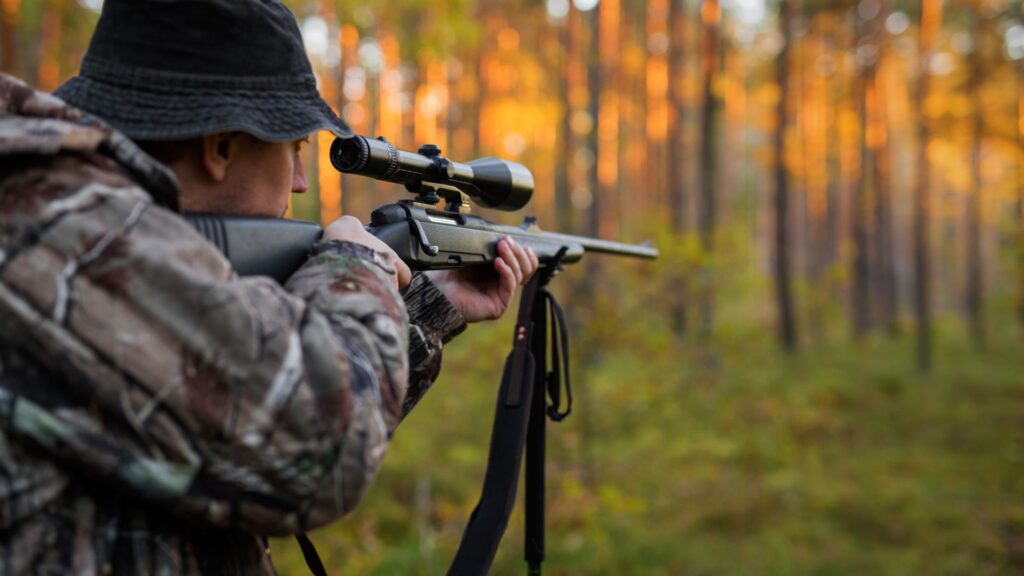
Following the draw, hunters ride in off-road vehicles over rough tracks to reach their postas. Some stands perch on ridgelines, others hide in clearings near water sources. Arriving at your station, you set up on a simple wooden stand or a natural platform. From here, scanning for movement becomes your sole focus.
Mental Focus and Silence
While you wait, clear your mind. Focus on steady breathing and remain perfectly still. The success of a Monteria often comes down to patience. When game appears—sometimes within mere yards—your calm response can make all the difference.
Adjusting to Light and Terrain
Dawn’s dim light and evolving shadows challenge your vision. Familiarize yourself with the terrain beforehand so you recognize subtle movements. Loose rocks and hidden roots can betray your position if you shift carelessly.
The Drive: Dogs, Beaters, and Heart-Pounding Moments
When beaters release the hounds, the forest suddenly erupts. Barking echoes through the groves, beaters shout to coordinate, and the underbrush rustles as wild boar and deer are pushed toward your line. Wild boar charge with thunderous speed, requiring instant reactions. Red deer, more cautious, may step into the clearing with regal poise. In these split-second moments, your steady hand and clear sight determine success.
Midday Respite: Food, Fellowship, and Game Tableau
After the morning drive, hunters return to the lodge, their adrenaline still running. A hearty lunch awaits—local sausages, stews, fresh bread, and regional wine. Conversation flows as hunters share quick anecdotes: “That boar charged from ten yards…” or “I only glimpsed the stag at the last second.” Once sated, everyone gathers to arrange harvested game in a tableau, a respectful display honoring the animals. This ritual underscores that the hunt exists within a larger cycle of life.
Afternoon Drive and Adapting to Change
Many Monterias feature a second drive in the afternoon. Game behavior may shift—sunlight and temperature changes influence movement. Hunters often return to the same postas or move to new ones. Wild boar might feed in different clearings, and deer may hug shaded ridges. Observing these patterns and recalibrating your focus keeps you ready for the next opportunity.
Reading Animal Behavior
Many Monterias feature a second drive in the afternoon. Game behavior may shift—sunlight and temperature changes influence movement. Hunters often return to the same postas or move to new ones. Wild boar might feed in different clearings, and deer may hug shaded ridges. Observing these patterns and recalibrating your focus keeps you ready for the next opportunity.
Key Game Species and Behavior
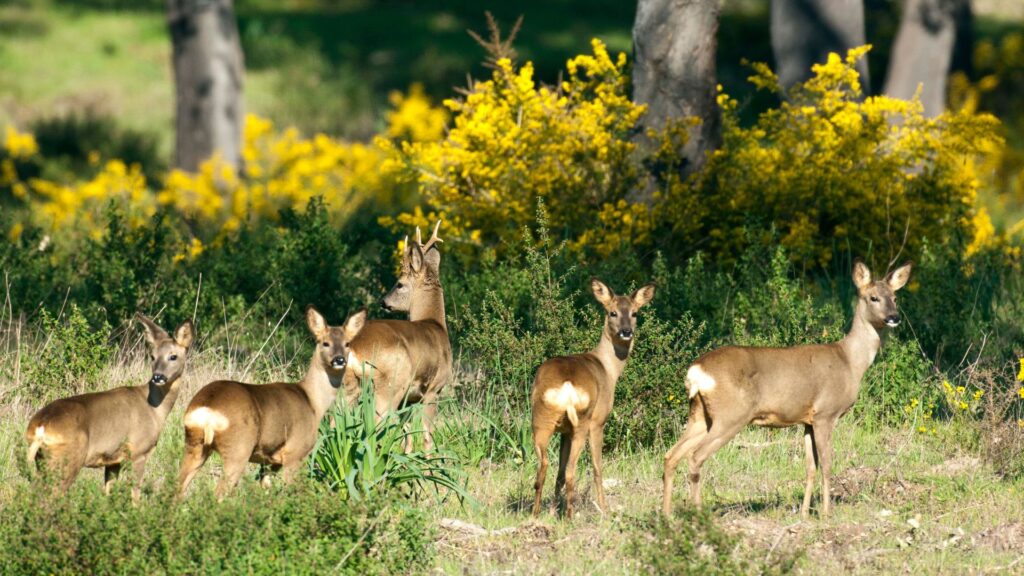
Monterias in Portugal focus mainly on wild boar and red deer, though fallow deer appear on some estates. Understanding each species’ habits is crucial.
Wild Boar: The Heart of the Monteria
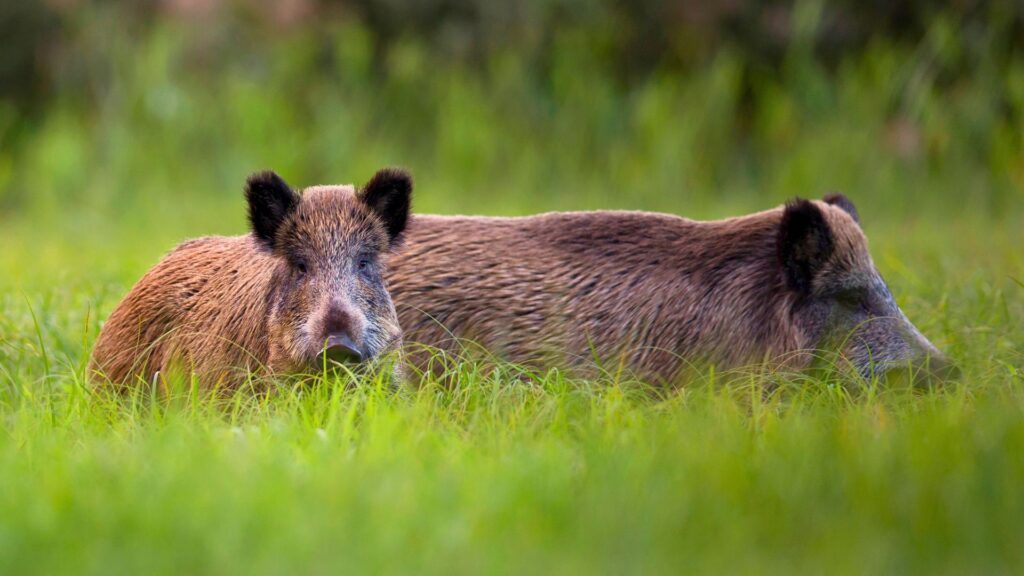
Wild boar thrive in cork oak groves, feeding on acorns. They often appear in groups, charging through underbrush at full tilt. Their thick hides demand solid caliber choices and precise shot placement.
Boar Movement Patterns
In colder months, boar roam more widely, drawn to open clearings for easier foraging. Recent rain may push them toward higher ground, altering drive strategies.
Red Deer: Precision and Patience
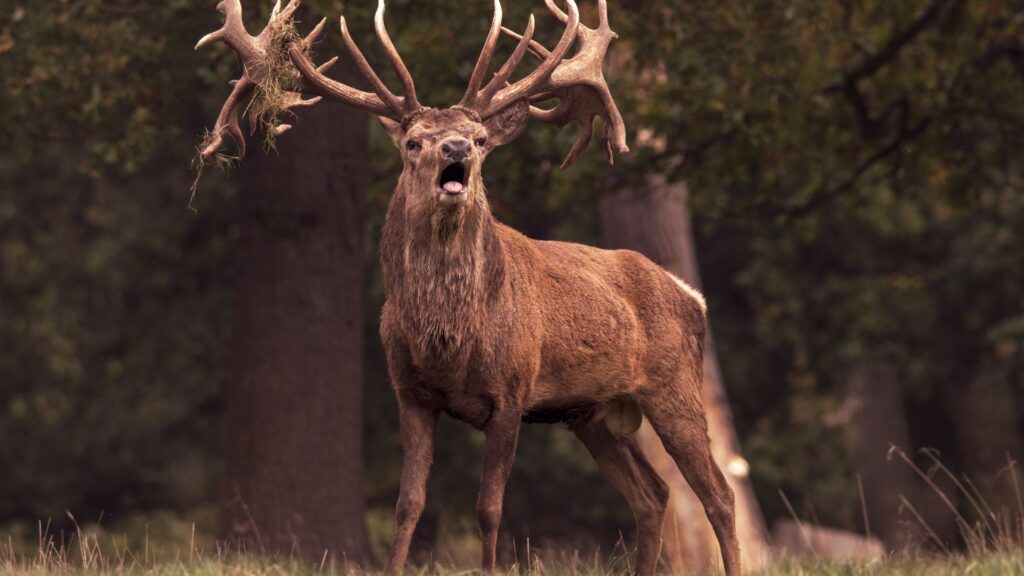
Red deer, larger and more cautious than boar, move slowly, scanning for threats. Spotting a stag at dawn is rare and thrilling—it demands a calm demeanor and quick aim once he steps into view.
Seasonal Shifts
In early autumn, deer disperse widely. By mid-winter, they gather near communal feeding areas. These patterns guide estate planning and hunter placement.
Essential Preparation for First-Timers
Documentation and Permits
Foreign hunters need a valid hunting license and liability insurance. Most book through an outfitter, which handles firearm import permits, local regulations, and estate authorization. European citizens use the European Firearms Pass; non–EU visitors must apply for temporary permits.
Clothing, Footwear, and Essentials
Layered clothing manages temperature swings—cool mornings give way to warmer afternoons. Waterproof outerwear shields against unexpected drizzle. Boots must be sturdy, waterproof, and broken-in. A small backpack with water, snacks, a basic first-aid kit, and ear protection completes your kit.
Renting Versus Bringing Your Rifle
Renting a rifle from the estate avoids import paperwork and ensures compliance with local regulations. Estate rifles are maintained to high standards and suited for Portuguese game.
Optics and Sights
A 3–9×40 scope balances quick target acquisition with the mid-range shots typical in dense groves. Bring spare batteries for any electronic sight.
Minimizing Gear Weight
Carrying only essentials helps maintain agility. Avoid bulky packs; choose water bottles, simple snacks, and minimal clothing layers.
Communication Tools
Mobile signals can be weak. A two-way radio or a basic GPS with preloaded estate maps helps maintain contact with organizers. Never wander from your assigned posta; staying put ensures safety and predictable drives.
Cultural and Ethical Values
A Monteria Portuguesa is more than a hunt; it is a cultural event emphasizing respect for wildlife. Each harvested animal is honored in the tableau, and estates manage populations to prevent overgrazing and maintain ecological balance. The communal meals, shared challenges, and reverence for nature remind participants that hunting here is a shared responsibility.
Experience It with Venare Hunting
If the idea of a Monteria Portuguesa intrigues you but you’re not sure where to start, VenareHunting.com can guide you. We connect international hunters with reputable estates, handle all permits, and advise on gear and timing. Our local partnerships ensure a safe, ethical, and unforgettable experience. Contact us today to begin your journey into this timeless Portuguese tradition.