Understanding the hunting seasons in Portugal is essential for any discerning hunter looking to explore one of Europe’s most diverse and rewarding sporting destinations. While its neighbour, Spain, often steals the limelight, Portugal offers a rugged, authentic experience that feels like stepping back into a more traditional era of European venery. From the cork oak forests of the Alentejo to the craggy peaks of the north, the Portuguese hunting calendar is a year-round tapestry of opportunity.
At Venare, we specialise in curating bespoke international hunting trips that take the guesswork out of complex overseas regulations, ensuring you’re in the right place at the precise peak of the season.
An Overview of the Portuguese Hunting Landscape
Portugal’s hunting heritage is deeply rooted in its rural culture. The country is divided into different types of hunting territories: Zonas de Caça Associativas (Association areas), Zonas de Caça Turísticas (Tourist areas—where most international visitors will find themselves), and Zonas de Caça Municipais (Municipal areas).
Each of these zones follows the national calendar set by the ICNF (Instituto da Conservação da Natureza e das Florestas), but specific dates can vary slightly based on the region and the species’ health in a particular year.
Big Game Hunting Seasons in Portugal
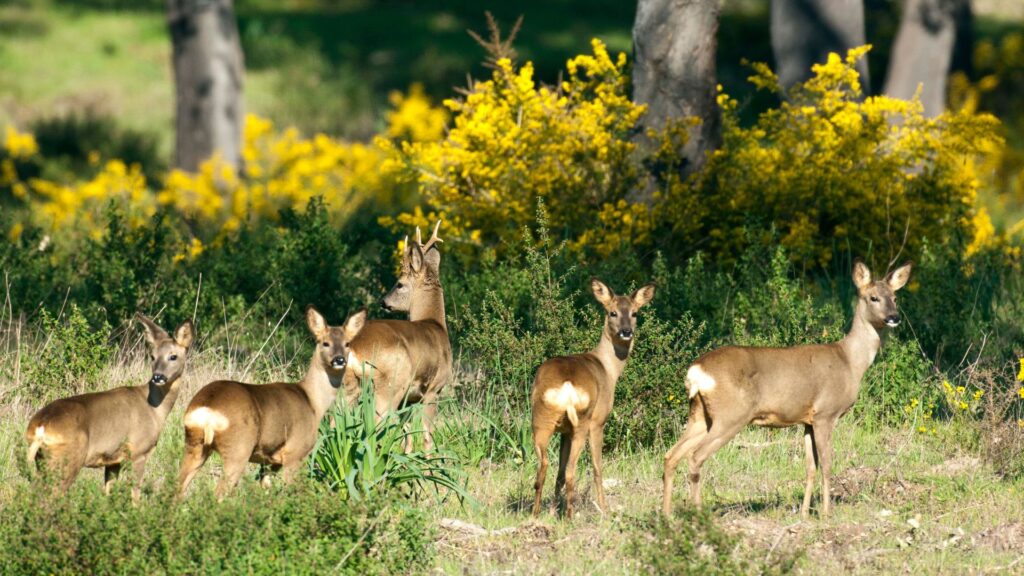
Big game in Portugal is primarily focused on Red Deer, Fallow Deer, Mouflon, and the ever-present Wild Boar.
1. Wild Boar (Javali)
Season: Generally year-round (with specific modalities).
- Peak Season: October to February (Montaria).
The Wild Boar is the king of Portuguese hunting. Unlike other species, boar can often be hunted year-round under certain crop-protection permits, but the “true” season aligns with the traditional Montaria. This is the Portuguese version of a driven hunt, often involving large packs of hounds (revelas) and dozens of hunters. It is a social, high-adrenaline event that defines the winter months in the Alentejo and Ribatejo regions.
2. Red Deer (Veado) & Fallow Deer (Gamo)
- Season: September to February.
- The Rut: September – October.
The Red Deer season begins with the “Bramido” (the roar). Hunting a Portuguese stag during the rut is a visceral experience. The deer here are hardy and often found in the Montados (cork oak meadows). The Fallow deer follows a similar timeline, with their “Ronca” (rut) occurring slightly later in October.
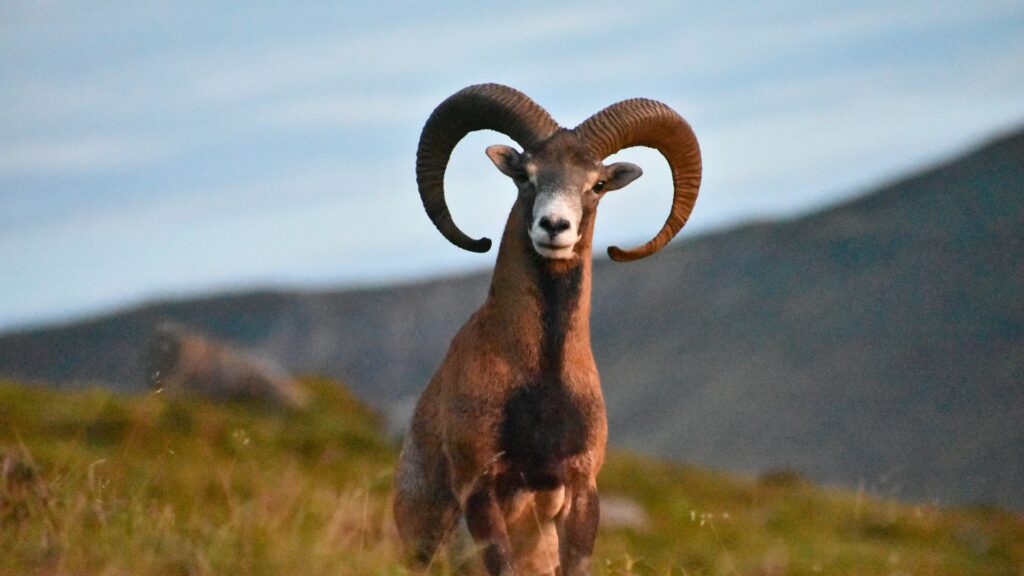
3. Mouflon (Muflão)
- Season: September to February.
Found primarily in fenced estates and certain mountainous regions, the Mouflon offers a challenging stalk. Their keen eyesight makes them a formidable opponent in the heat of the early Portuguese autumn.
Small Game: The Heart of the Portuguese Countryside
Small game hunting is arguably more popular among locals than big game. The “Salto” (rough hunting) is a way of life here.
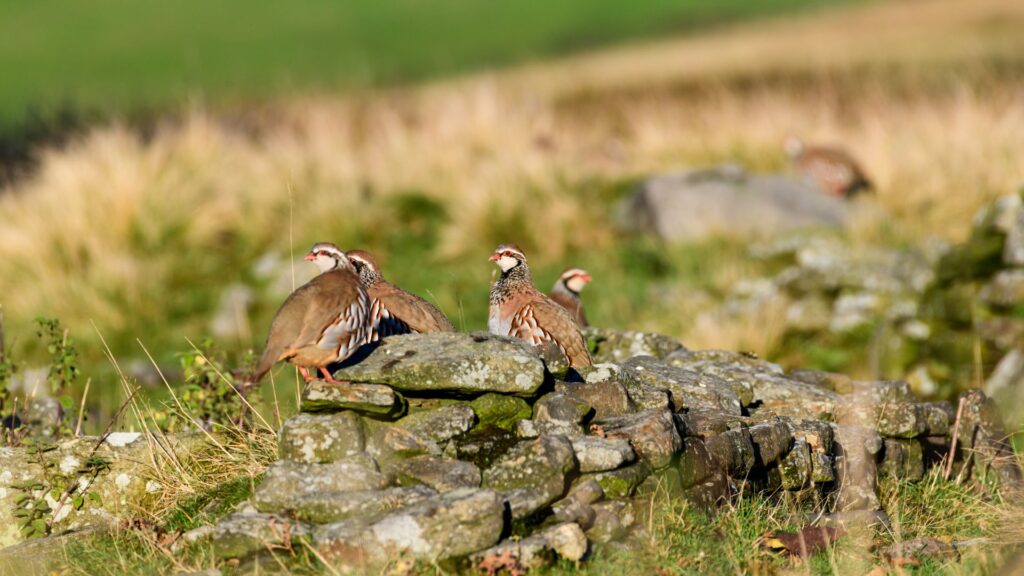
1. Red-Legged Partridge (Perdiz Vermelha)
- Season: October to December/January.
The Red-legged partridge is the crown jewel of Portuguese small game. Known for being incredibly fast and hardy, these are wild birds, not the reared variety often found elsewhere. Hunting them “a salto” (on the jump) with a pointer or setter through the undulating hills of the south requires excellent fitness and sharp shooting.
2. European Rabbit (Coelho) & Hare (Lebre)
- Season: September to December.
Rabbit populations have faced challenges due to disease, but in many regions, they remain a staple. Hare hunting is often a more specialised pursuit, sometimes conducted with greyhounds in the open plains, a tradition that is a sight to behold.
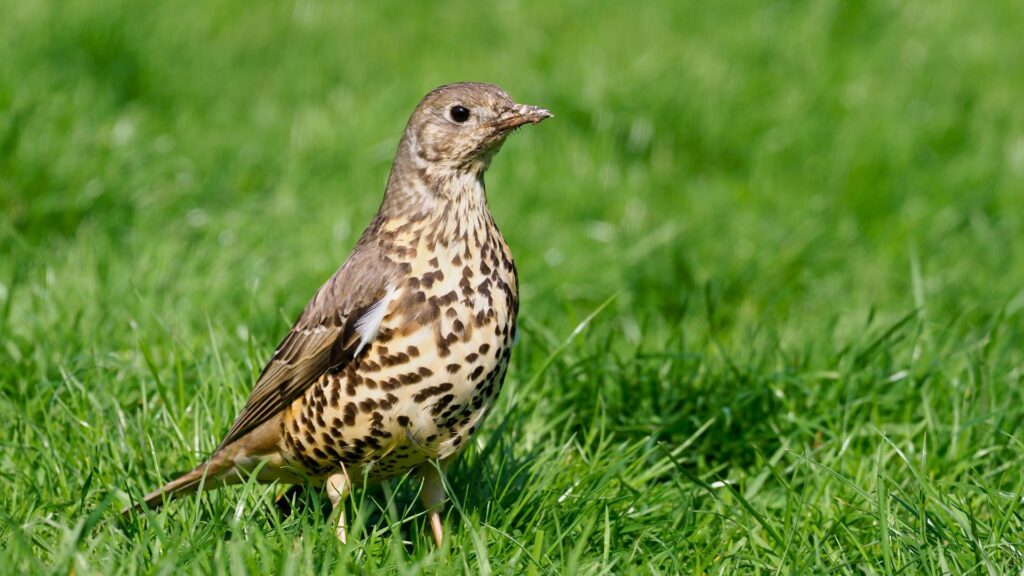
3. Migratory Birds: Woodcock, Snipe, and Thrushes
- Woodcock (Galinhola): November to February.
- Thrush (Tordo): November to February.
Portugal is a vital stopover on the migratory flyway. When the cold snaps hit Northern Europe, the Portuguese valleys fill with Woodcock and Thrushes. Thrush hunting, in particular, is a high-volume shooting experience that attracts enthusiasts from across the continent.
Regional Breakdown: Where to Go
The Alentejo (The South-Central Plains)
This is the heartland of Portuguese hunting. Massive estates (herdades) dominated by cork oaks and holm oaks provide the perfect habitat for Wild Boar and Red-legged Partridge. The terrain is rolling and accessible, making it ideal for those who enjoy long days in the field without extreme mountain climbing.
Trás-os-Montes (The North)
Literally meaning “Beyond the Mountains,” this region is for the rugged hunter. It is the best place for Wild Boar and Woodcock. The weather here can be surprisingly harsh in winter, with snow and biting winds, providing a stark contrast to the sunny images of the Algarve.
Beira Interior (The East)
Bordering Spain, this region offers excellent big game opportunities. The landscape is a mix of scrubland and rocky outcrops, perfect for stalking deer and Mouflon.
Regulations and Requirements for International Hunters
Hunting in Portugal is highly regulated, and the bureaucracy can be daunting if you aren’t fluent in the local laws. To hunt legally, you generally require:
- A Valid Hunting Licence: For foreigners, this is usually a “Licença de Caça para Não Residentes.”
- Liability Insurance: Mandatory for all hunters in Portuguese territory.
- European Firearms Pass (for EU citizens) or Import Permits: If you are bringing your own rifle or shotgun.
- Written Authorisation: You must have permission from the owner of the hunting ground (Zona de Caça).
This is why many sportsmen opt for managed international hunting trips. Having an expert handle the paperwork, firearm customs, and local permits ensures that your only focus is the hunt itself.
The "Montaria": A Cultural Experience
You cannot talk about the hunting seasons in Portugal without mentioning the Montaria. It is more than a hunt; it is a ritual. It usually begins with a large “Mata-bicho” (breakfast) of chorizo, bread, and local wine. After the drawing of the stands (armadas), hunters head to the bush. The sound of dozens of hounds baying through the eucalyptus and oak forests is a sound you won’t soon forget. The day ends with the “Junta de Carnes,” where the bag is displayed and stories are shared over a magnificent Portuguese dinner.
The "Montaria": A Cultural Experience
Species | Season Starts | Season Ends | Best Month |
|---|---|---|---|
Wild Boar | Year-round | Year-round | December |
Red Deer | September | February | September (Rut) |
Fallow Deer | September | February | October |
Red-Legged Partridge | October | December | November |
Woodcock | November | February | January |
Quail | September | December | September |
Why Choose Portugal for Your Next Sporting Trip?
Portugal offers a unique value proposition. It is often more affordable than the UK or France, the weather remains temperate well into the winter, and the hospitality is world-class. The Portuguese people take immense pride in their “Gastronomia de Caça” (hunting gastronomy); expect to eat what you hunt, prepared with incredible olive oils, garlic, and herbs.
Whether you are seeking the thundering hooves of a driven boar or the silent, solitary stalk of a stag in the mist, the hunting seasons in Portugal provide a diverse window of opportunity for every type of sportsman.
Final Thoughts for the Travelling Hunter
Preparation is the difference between a good trip and a legendary one. Always check the lunar calendar for boar hunting (esperas) and ensure your equipment is suited for the Iberian climate—lightweight but thorn-proof clothing is a must for the Alentejo brush.
Are you ready to experience the raw beauty of the Portuguese wilderness? At Venare, we take pride in connecting passionate hunters with the most prestigious estates in Iberia and beyond. Our international hunting trips are designed by hunters, for hunters, ensuring every detail—from the permit to the plate—is handled with British precision and local expertise.