You arrive at a misty field just before sunrise, the cool air filling your lungs. In the distance, a whistle calls a pointing dog’s name, and you feel a flutter of excitement. You’ve come to experience red partridge hunting in Portugal—a storied tradition blending centuries-old methods with modern innovations. What makes this hunt so special, and how do today’s new techniques fit into time-honored customs? You’re about to find out.
The Rich Tradition of Red Partridge Hunting
In Portugal, red partridge (Perdix perdix) hunting dates back generations. Families pass down knowledge of the best fields, seasons, and weather patterns. Before dawn, locals recall tales of great harvests under starlit skies and whisper advice about coaxing birds from bramble patches. For many, this tradition is as important as the harvest itself.
Ancestral Techniques and Community Bonds
Hunters traditionally walked in the crisp morning light, trained their dogs to point and flush, and relied on intimate knowledge of the landscape. The hunt was a community affair: fathers taught sons, neighbors shared tips, and every harvest day ended with a communal feast. This deep communal aspect remains a core pillar of red partridge hunting in Portugal.
Passing Down The Way of The Hunt
Even today, many young hunters learn by watching their elders. They see how a subtle change in wind direction can transform a quiet hill into a hotspot for partridges. These lessons—imparted often without words—form the backbone of tradition.
The Role of Dogs in Traditional Hunts
Dogs—often pointers like the Portuguese Pointer—are vital. They freeze with their noses skyward when a bird is near. Hunters approach quietly, and the dog’s steady point guides the perfect shot. This silent dance between hunter, hound, and game exemplifies the tradition.

Modern Innovations and Techniques
While honoring tradition, Portuguese hunters increasingly adopt new techniques. Advances in gear, training, and technology help improve both safety and success. Learning how to merge old methods with these innovations can transform your hunting experience.
Upgraded Firearms and Ammunition
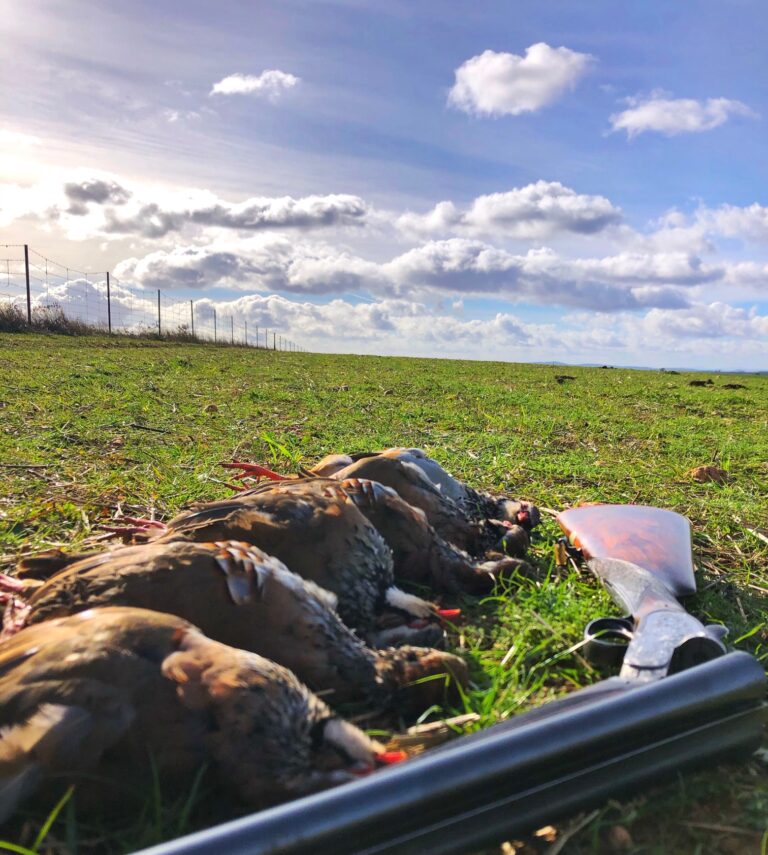
Instead of older, heavier shotguns, many hunters now prefer lightweight over-and-under or semi-automatic models. These guns handle nimbly in dense undergrowth and can fire multiple shots quickly if a flush occurs. Modern steel-shot shells offer effective patterns without harming protected species. Hunters praise the balance of power and reduced recoil when tracking fleeting partridges.
GPS and Digital Mapping
Gone are the days of relying solely on mental maps. Many partridge hunters now carry handheld GPS units loaded with field maps. These devices mark known coveys’ locations and track the best dog paths. When a bird flies off in an unexpected direction, a quick check of your map helps you navigate unfamiliar terrain with confidence.
Using Trail Cameras for Scouting
Trail cameras—small, battery-powered devices—sit hidden in fields or edges of woods. They capture nocturnal partridge movements, revealing feeding zones and roosting sites. Reviewing images in the days before a hunt allows you to plan your walk meticulously, ensuring you approach at dawn with the best chance of success.
Battery Life and Placement Tips
To maximize trail camera effectiveness, place units 1.5 meters high facing open fields or bramble patches. Ensure you change batteries every few weeks and check cameras after rainstorms. Always rotate positions to cover fresh ground.
Advanced Dog Training Methods
While tradition values patience, modern trainers use structured drills to sharpen a dog’s ability to hold point longer and reduce false alarms. Using clickers and treats, trainers reinforce solid pointing behavior. This focus on consistency helps even young dogs adapt quickly to complex Portuguese terrain.
Combining Traditional Walks with Training Sessions
Hunters often alternate between pure hunting days and dedicated training days. On training days, a handler and dog walk known fields without a firearm, allowing the dog to focus on scent and point without distraction. These sessions reinforce the dog’s drive and reduce anxiety during actual hunts.
Essential Gear and Preparation
Clothing, Footwear, and Safety Equipment
Layered, quick-dry clothing helps adjust to Portugal’s morning chill and midday warmth. A durable waterproof outer shell shields you from dew and sudden drizzle. Boots with reinforced soles—preferably ankle-high—protect against thorns and uneven ground. High-visibility vests remain mandatory in regions where mixed hunting (partridge and larger game) occurs.
Must-Have Items
Bring a small backpack with a water bladder or bottle, a simple first-aid kit, and a portable seat cushion for brief rests. Always carry hearing protection, especially when hunting with multiple shooters.
Permit and Licensing Essentials
In Portugal, you need a valid hunting license and a day permit from the local hunting association. For foreign hunters, these are typically arranged ahead via an outfitter, avoiding last-minute confusion. Proof of liability insurance is also required before entering the field.
Checking Local Regulations
Hunting rules vary by district. Some areas impose strict quotas on red partridge, while others limit hunting to certain hours. Confirm daily bag limits and protected zones well before your trip to avoid fines.
Best Regions for Red Partridge Hunting
Alentejo: Rolling Plains and Cork Oaks
Alentejo’s vast rolling plains, dotted with cork oak trees and low scrub, create ideal red partridge habitat. The gentle hills allow for long dog range and clear views when birds flush. Traditional estates here often welcome foreign hunters, offering guided walks and local cuisine.
Ribatejo and Oeste: River Terraces and Bushland
North of Lisbon, river terraces with a mix of open fields and scrub provide diverse cover for partridges. In Ribatejo, hunters enjoy walks along former rice fields turned into brushy meadows. Oeste’s coastal influence brings cooler mornings, making early-season hunts particularly comfortable.
Combining Tradition and Innovation
Ethical and Sustainable Practices
Portuguese hunters hold deep respect for the land and wildlife. Many estates follow strict management plans: they rotate hunting blocks, reseed fields with millet to feed birds, and use shooting preserves to prevent overharvesting. These efforts ensure partridge populations remain healthy for future generations.
Creating Artificial Cover
Some estates plant native shrubs—like rockrose and thyme—to provide natural cover for partridges. These plantings serve dual purposes: improving the habitat and guiding birds toward predictable flush zones.
Community and Conservation
Local hunting associations often organize volunteer days to clean up litter, repair fences, and maintain water points. These community-driven efforts emphasize that red partridge hunting in Portugal is about more than the harvest; it’s about preserving a way of life.
Start Your Adventure with Venare Hunting
Embark on your red partridge hunting journey in Portugal with confidence. VenareHunting.com handles everything—from matching you with local experts to securing required permits and advising on the best equipment. Whether you prefer a classic field outing or want to experiment with modern tracking tools, our team is ready to support you. Picture a crisp morning, your dog landing on point, and that exhilarating moment when you take your shot—Venare Hunting makes it all possible. Get in touch today and discover the true essence of Portuguese partridge hunting.