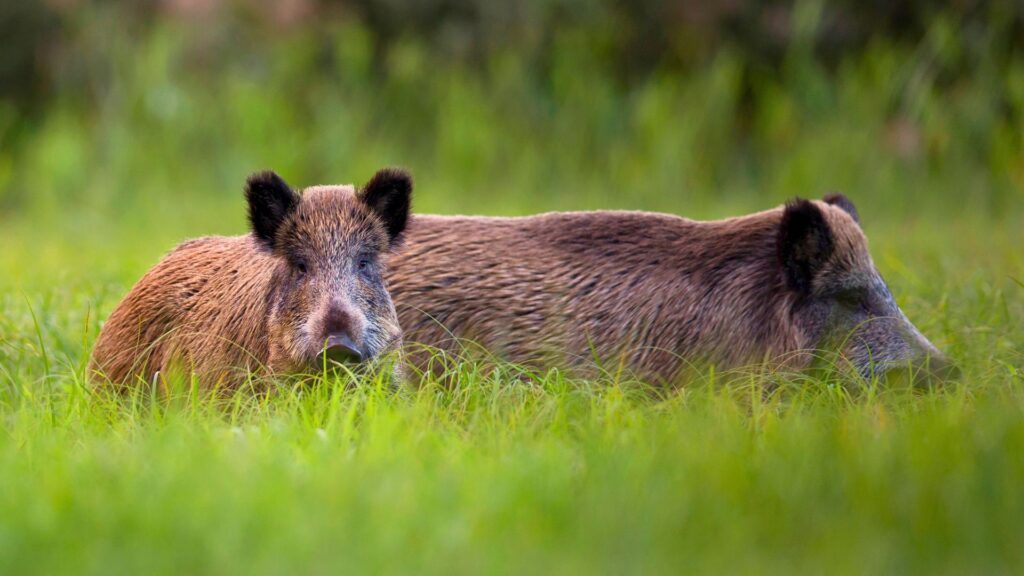
Imagine stepping into a moonlit forest in rural Spain. It’s silent, almost too silent. Then, a low rustle in the brush breaks the stillness. Something is out there—big, fast, wild. You grip your rifle a little tighter. You’re not just walking through nature. You’re in the middle of one of the most intense experiences of your life: wild boar hunting in Spain.
What Makes Wild Boar Hunting in Spain So Special?
Hunting wild boar in Spain isn’t about trophies. It’s about raw emotion, skill, and challenge. The country offers diverse landscapes—from dense pine forests to rocky hills—where wild boars roam freely. This is not fenced-in game. These animals live on their terms, and that’s what makes the hunt so real.
A Country Rich in Wild Game
Regions like Andalusia, Extremadura, and Castilla-La Mancha are home to large wild boar populations. Thanks to mild winters and varied terrain, boars reproduce quickly and adapt well. Hunters from across Europe and the U.S. travel to Spain looking for this intense and authentic challenge.
Legal and Cultural Importance
Hunting is a regulated and respected tradition in many parts of Spain. Beyond being a sport, wild boar hunting helps control overpopulation, prevent crop destruction, and reduce accidents caused by animals crossing rural roads.
A Responsible Activity
Spanish laws require proper hunting licenses, firearm permits, and liability insurance. Hunters must respect hunting seasons and regional rules. That’s why anyone interested in wild boar hunting in Spain should always be well-informed before heading out.
Why the Night Changes Everything
Night hunting isn’t just a different schedule. It’s a completely different experience. The quiet is deeper. Your vision is limited. Every sound matters. Hunting a wild boar in this setting adds layers of complexity—and excitement.
The Behavior of Nocturnal Boars
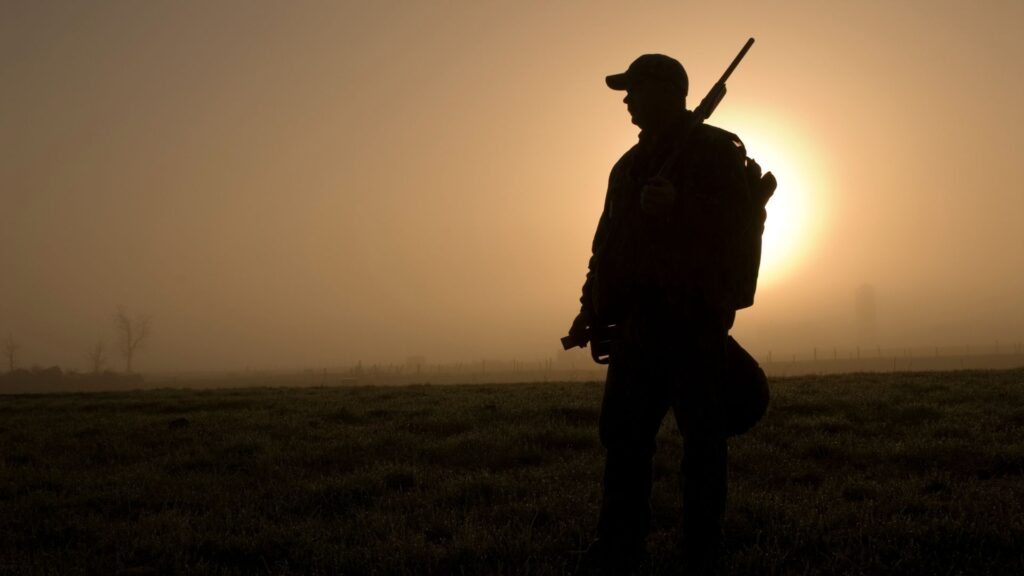
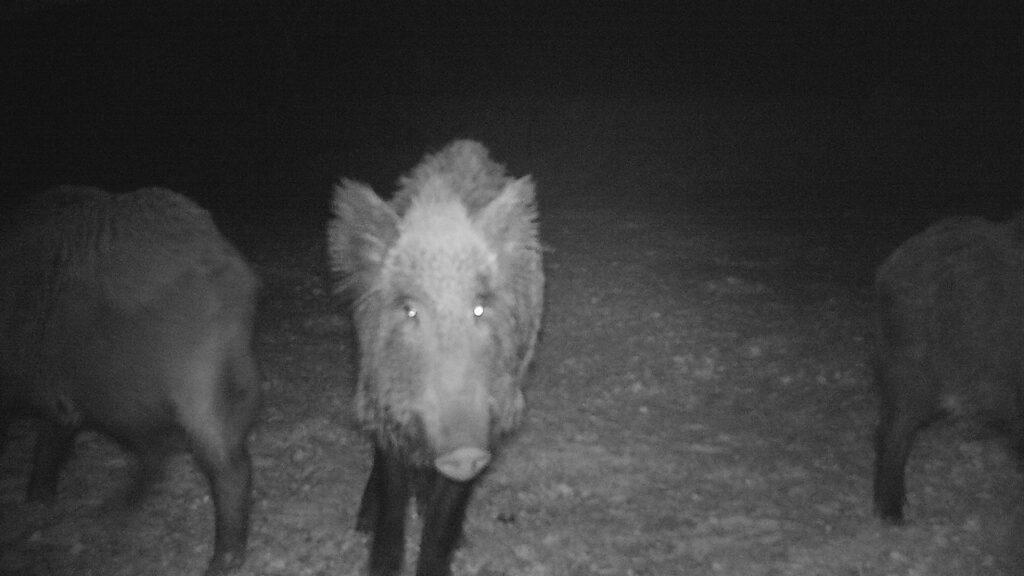
Wild boars are most active at night. They use the cover of darkness to search for food and water, moving silently and carefully. This makes the night the perfect time to find them—but also the hardest time to succeed.
Reading the Darkness
Hunting at night means relying less on sight and more on hearing, instinct, and patience. You might wait for hours in silence, only for a single brief moment to take a shot. Or you may need to slowly stalk through dense underbrush, feeling your way step by step.
Adapting to Natural Cues
Boars use wind direction to detect danger. Hunters must do the same. Moving against the wind, choosing natural cover, and avoiding sudden sounds can make the difference between success and a wasted night.
Adapting to Natural Cues
Night hunting sharpens every sense. Your hearing becomes more alert. Your body adjusts to the temperature drop. You become more aware of your breathing, your footsteps, and your surroundings. It’s a quiet battle between instinct and awareness.
Equipment and Techniques You’ll Need
Having the right gear is essential, but it’s not about buying the most expensive tools—it’s about choosing the right ones for your conditions.
Thermal Optics and Night Vision
Many regions in Spain allow the use of thermal or night vision scopes, but others restrict them. Always check local regulations. When allowed, these tools help spot movement, heat signatures, and even body shape in complete darkness.
Still Hunting vs. Stalking
Some hunters prefer to stay completely still for hours, waiting near watering holes or feeding areas. Others prefer to move slowly and quietly, tracking animals through the forest. Both techniques work—but both demand patience and self-control.
Weather and Terrain Conditions
Muddy ground can make movement noisy. Wind can carry your scent. Dry leaves can give away your location. Every element matters, and learning how to adapt is part of the challenge.
Personal Discipline
Hunting at night means staying alert and focused for long stretches. There are no distractions, no conversations, no phones. Just you, your rifle, and the forest.
The Challenge of the Wild Boar
Boars are not easy targets. They are smart, fast, and strong. A large adult can weigh over 200 pounds and run through dense brush like it’s nothing. They’re also aggressive when cornered and can become dangerous if injured.
Respect for the Animal
Many seasoned hunters describe wild boar hunting as one of the most honest forms of the sport. The animal rarely gives you a second chance. You either get it right or go home empty-handed.
Danger Adds Depth
There’s a real risk factor. A charging boar is no joke, and the night adds another level of unpredictability. That’s why experience, caution, and preparation are essential—not just for success, but for safety.
When to Hunt for the Best Results
Wild boars can be hunted year-round in many areas, but the fall and winter seasons are ideal. Cooler nights make long waits more tolerable, and the animals tend to move more in search of food. Plus, with less vegetation in the colder months, visibility improves slightly—even in the dark.
Who Is This Adventure Really For?
This kind of hunting isn’t for casual outdoorsmen. It’s for those seeking a deeper, more intense connection with the wild. The experience demands not only technical skill but also emotional strength, patience, and a high level of respect for nature.
Beginners Should Start with Guidance
If you’re new to this world, it’s best to start with an experienced guide. Spanish hunting guides not only know the terrain, but they also understand the behavior of the animals and the legal framework. With them, you can learn safely and grow into the challenge.
A Real Adventure You Won’t Forget
Wild boar hunting in Spain is not about trophies or social media pictures. It’s about the moment when everything goes quiet and you realize something is watching you from the shadows. It’s about testing your nerves, your focus, and your instincts in a way few other experiences do.
Whether you succeed or not, you leave with more than a story—you leave with a memory that’s earned, not bought.